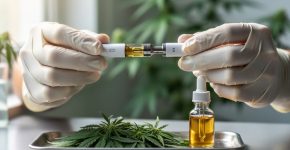

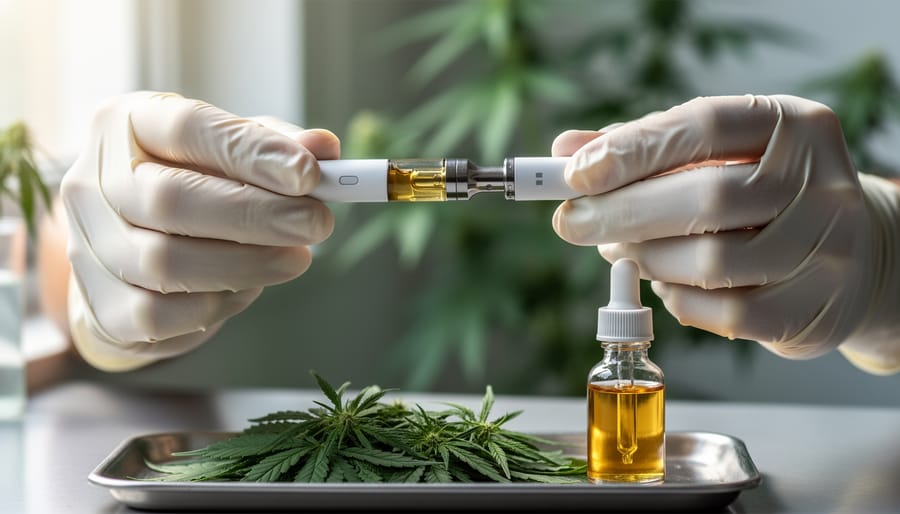
Hemp-derived delta 8 vaping offers a federally legal way to experience mild psychoactive effects through cannabinoids extracted from hemp plants, delivering a smoother, more clear-headed sensation than traditional THC while remaining accessible in most states. Reputable brands like www.exhalewell.com have developed specialized vape cartridges and disposables that provide consistent dosing and quality-controlled formulations, making this one of the fastest-growing segments in the hemp industry since 2021.
The appeal is straightforward: delta 8 THC exists in a unique legal space thanks to the 2018 Farm Bill, which legalized hemp and its derivatives containing less than 0.3% delta 9 THC. This cannabinoid produces effects roughly 50-70% as potent as delta 9, offering relaxation and mood elevation without the anxiety or paranoia some users experience with traditional cannabis products. Vaping delivers these effects within minutes, allowing for precise control over your experience.
But the market has matured considerably, and choosing quality products requires understanding extraction methods, testing protocols, and ingredient transparency. Low-quality delta 8 vapes flooded the market in early years, raising legitimate safety concerns. Today’s informed consumers need to distinguish between clean, lab-tested products and questionable offerings that cut corners on purity.
This guide walks you through everything from the science behind hemp-derived delta 8 to selecting safe products, understanding dosage, and navigating the evolving legal landscape in 2026. Whether you’re curious about trying delta 8 for the first time or looking to make smarter purchasing decisions, you’ll find the practical knowledge needed to vape confidently and safely.
Delta 8 THC sits in a fascinating middle ground between CBD and delta 9 THC, offering psychoactive effects that many users describe as clear-headed and functional compared to the stronger high of traditional cannabis. The difference comes down to a small but significant variation in molecular structure: both delta 8 and delta 9 have a double bond in their chemical chain, but delta 8’s bond sits on the eighth carbon atom while delta 9’s sits on the ninth. This seemingly minor shift changes how these cannabinoids interact with your endocannabinoid system, particularly the CB1 receptors in your brain.
Understanding the core terminology helps clarify what sets delta 8 apart:
When comparing Delta 8 vs Delta 9 effects, most users report that delta 8 delivers a calmer, more manageable experience with less anxiety or paranoia. The high tends to be described as uplifting and relaxing without the intense cerebral effects or couch-lock that can accompany delta 9. This makes delta 8 appealing to those who want mild psychoactive benefits without losing functionality.
CBD, by contrast, produces no intoxicating effects at all. While CBD interacts with your endocannabinoid system to potentially offer wellness benefits, it won’t make you feel high. Delta 8 bridges this gap, offering something between CBD’s non-intoxicating properties and delta 9’s full psychoactive experience.
The catch is that hemp plants contain only tiny amounts of delta 8 naturally. Manufacturers create it through a conversion process that transforms CBD isolate into delta 8 THC using acids and heat. This synthetic origin is why third-party testing becomes crucial, a topic we’ll explore in depth later.
The legal status of hemp-derived delta 8 THC exists in a gray area that confuses many vapers. When Congress passed the 2018 Farm Bill, it legalized hemp and hemp-derived products containing less than 0.3% delta 9 THC on a dry weight basis. The 2018 Farm Bill definition technically covers delta 8 since it’s synthesized from legal CBD extracted from hemp. However, federal agencies haven’t issued clear guidance, and the Drug Enforcement Administration has suggested that synthetically derived THC remains controlled under existing schedules.
This ambiguity means state laws determine your practical access. Some states explicitly allow delta 8 sales with minimal restrictions. Others have banned it outright, treating it the same as delta 9 THC regardless of its hemp origins. A third category permits delta 8 but imposes age restrictions, licensing requirements, or testing standards. States like Alaska, Colorado, Delaware, and Rhode Island prohibit delta 8 products, while others such as Arizona and Montana have specific restrictions. Before purchasing or traveling with delta 8 vape products, verify your state’s current position since these regulations change frequently.
Even in states where delta 8 remains legal, enforcement varies. Some localities ban it despite state-level permission. Additionally, delta 8’s legal status doesn’t necessarily mean it’s unregulated. Responsible vendors follow Good Manufacturing Practices and provide third-party lab testing, but these aren’t legally required everywhere. This patchwork creates risk for consumers who might unknowingly purchase contaminated or mislabeled products.
The takeaway: don’t assume delta 8 is legal where you live just because you can find it online. Check your state’s specific laws, understand that federal clarity remains elusive, and recognize that today’s legal landscape could shift tomorrow. Staying informed protects you from legal troubles and helps you make safer purchasing decisions.
Delta 8 THC doesn’t occur naturally in hemp plants at meaningful concentrations, which means manufacturers must create it through a chemical conversion process called isomerization. This process transforms CBD, which hemp contains abundantly, into delta 8 THC by rearranging its molecular structure using acids, heat, and sometimes catalysts.
The typical isomerization process involves dissolving CBD extract in a solvent, then introducing an acid (often acetic acid or hydrochloric acid) that triggers the molecular rearrangement. Manufacturers carefully control temperature and timing to maximize delta 8 production while minimizing unwanted byproducts. After conversion, the mixture undergoes purification through distillation to remove residual acids, solvents, and other cannabinoids.
This synthetic conversion process is why quality control matters so much. Poorly executed isomerization can leave behind harmful residual solvents, heavy metals from catalysts, or unknown compounds that shouldn’t end up in your lungs. The conversion also creates other THC isomers as byproducts, which is normal but should be identified in lab testing. Understanding that delta 8 is synthesized rather than extracted helps explain why third-party lab verification isn’t optional, it’s the only way to confirm what you’re actually vaping is safe.
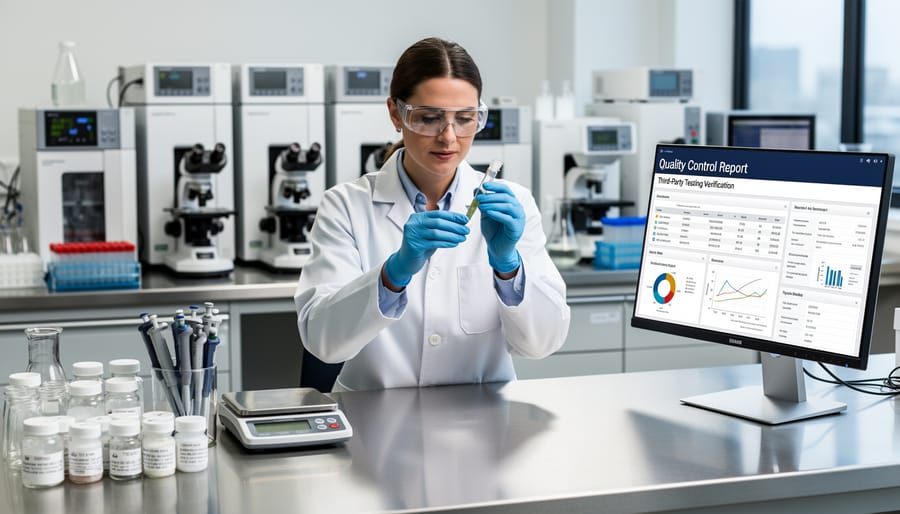
Quality delta 8 vape products start with comprehensive third-party lab testing. Reputable manufacturers send their products to independent laboratories that test for potency, contaminants, heavy metals, pesticides, and residual solvents. These labs should be ISO-accredited and have no financial relationship with the brand. Never trust a company that only provides in-house testing results.
The certificate of analysis (COA) is your most important tool for verifying product quality. A legitimate COA includes a batch number matching your product, the testing date (ideally within the past six months), and detailed cannabinoid profiles showing delta 8 concentration along with other cannabinoids present. It should also confirm the absence of delta 9 THC above 0.3 percent, which is the federal legal limit. Look for separate panels testing for pesticides, heavy metals like lead and mercury, and microbial contaminants such as E. coli and salmonella.
Purity standards matter significantly in delta 8 products. High-quality distillates typically contain 90 to 95 percent delta 8 THC, with minor amounts of other naturally occurring cannabinoids. Be wary of products claiming 99 percent purity, as the conversion process rarely achieves this without potentially harsh refinement methods.
Red flags include companies that make COAs difficult to find, provide generic or suspiciously similar lab results across multiple products, or refuse to share testing documentation altogether. Avoid products with QR codes that lead nowhere or COAs without clear batch identification.
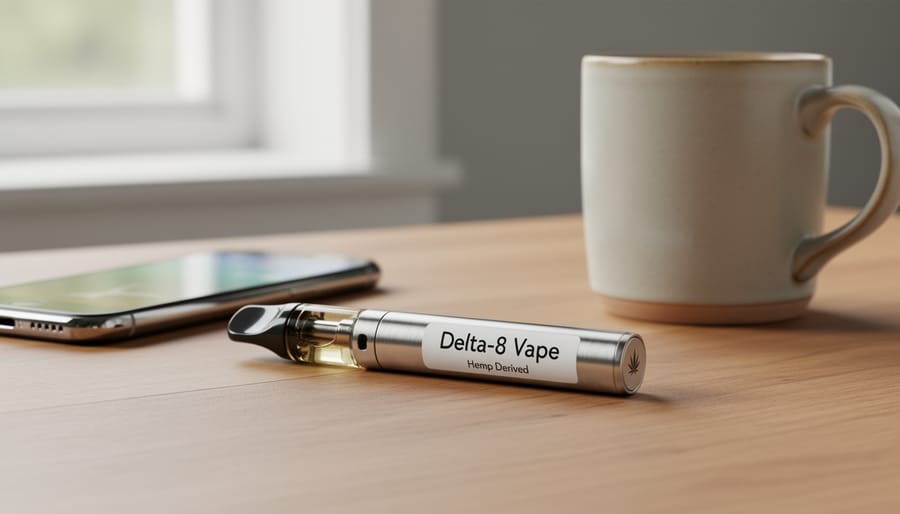
When you first inhale delta 8 vapor, effects typically begin within 5 to 15 minutes, making vaping one of the fastest delivery methods for this cannabinoid. Most users report a clear-headed, mildly euphoric sensation that feels noticeably gentler than delta 9 THC. The experience often includes relaxation without heavy sedation, a subtle mood lift, and increased focus rather than the anxiety or paranoia some associate with traditional cannabis products.
Peak effects usually arrive around 30 minutes after your session and can last anywhere from two to four hours, though this varies based on your metabolism, tolerance, and the amount consumed. Many describe delta 8’s effects as occupying a middle ground between CBD’s calmness and delta 9’s more intense psychoactivity. You might notice enhanced sensory perception, mild time dilation, or a gentle body relaxation that doesn’t leave you couch-locked.
Dosing delta 8 through vaping requires a different approach than edibles since the effects hit quickly but also fade faster. Beginners should treat their first few sessions as discovery periods rather than aiming for a specific intensity. Take a single inhalation, set a timer, and honestly assess how you feel after 20 minutes. Experienced cannabis users might find they need slightly more to achieve their desired effects, but delta 8’s unique profile means your delta 9 tolerance doesn’t directly translate.
For those just starting their vaping journey, combining beginner vaping tips with delta 8-specific guidance helps build confidence and safety. Pay attention to your device’s temperature settings if adjustable, as lower temperatures preserve flavor and provide a smoother experience while higher temperatures increase vapor production and cannabinoid delivery. Keep a journal of your sessions noting the product used, number of puffs, and effects experienced to help you dial in your ideal approach over time.
Delta 8 vaping exists in a regulatory grey area, which means quality control varies dramatically between products. Without FDA oversight, some manufacturers cut corners on testing or use questionable extraction methods that leave harmful residues in the final product. You’re essentially trusting companies to police themselves, and not all of them deserve that trust.
The biggest concern is contamination. Poorly made delta 8 vape products may contain heavy metals from substandard hardware, residual solvents from extraction, or vitamin E acetate used as a thickening agent. These contaminants pose serious respiratory risks that wouldn’t exist in properly manufactured products.
Research on delta 8 itself remains limited. While some users turn to hemp-derived cannabinoids to curb smoking habits, we simply don’t have long-term studies on delta 8’s effects. Most existing cannabis research focuses on delta 9 THC, and the two compounds may behave differently in the body over time.
Drug testing presents another practical risk. Delta 8 will likely trigger a positive result for THC, which could create problems with employment or legal situations regardless of its technical legality in your state.
Maintaining your vaping device properly extends its lifespan and reduces health risks. Clean your cartridge connections weekly with a cotton swab dipped in isopropyl alcohol, and replace coils or cartridges when you notice burnt taste or reduced vapor production. Never use a damaged battery or cartridge, cracks can leak harmful chemicals.
Store delta 8 vape products upright in a cool, dark place away from direct sunlight and heat sources. Extreme temperatures degrade cannabinoids and can cause leaks. Keep products in their original packaging until use to preserve freshness and prevent contamination.
Watch for warning signs of compromised products: unusually dark or cloudy liquid, chemical or plastic taste, harsh throat hit that persists beyond initial use, or separation of ingredients that doesn’t remix with gentle warming. Reputable delta 8 distillate should be clear to light amber and flow smoothly at room temperature.
Start with lower voltage settings (2.5-3.3V) to avoid burning the oil, which creates harmful byproducts. Take shorter draws rather than prolonged inhales, and allow 30 seconds between puffs to prevent overheating. If you experience persistent coughing, chest tightness, or unusual symptoms, discontinue use immediately and consult a healthcare professional.
Selecting the right vaping device for delta 8 depends on your experience level, lifestyle, and how frequently you plan to use these products. Each format offers distinct advantages and trade-offs that can significantly impact your overall experience.
Disposable vapes represent the simplest entry point for newcomers. These all-in-one devices come pre-filled and pre-charged, requiring no maintenance or setup. You simply inhale to activate the device and discard it when the delta 8 distillate runs out. The convenience comes at a premium per-milligram cost, and you’re locked into whatever strain or potency the manufacturer chose. Environmental concerns also accompany disposables, since you’re throwing away a battery and hardware with each unit. However, for testing delta 8 without commitment or keeping a discreet backup option, disposables serve their purpose well.
Cartridges (or “carts”) offer more flexibility while maintaining simplicity. These pre-filled glass tanks screw onto a rechargeable battery, typically using the standard 510 threading that dominates the vaping market. You can swap between different strains and potencies by changing cartridges, and the per-use cost drops compared to disposables. Quality varies dramatically in the cartridge market, cheap hardware can mean leaking, clogging, or inconsistent vapor production. Look for cartridges with ceramic coils rather than cotton wicks, and glass bodies instead of plastic. Battery maintenance remains minimal: charge when needed, and occasionally clean the connection points if you notice performance issues or encounter vape crackle fixes.
| Format | Best For | Convenience | Cost-Effectiveness | Key Considerations |
|---|---|---|---|---|
| Disposable Vapes | Beginners, occasional users | Highest | Lowest | No customization, environmental impact |
| 510 Cartridges | Intermediate users | High | Moderate | Battery required, strain flexibility |
| Refillable Devices | Experienced users, daily use | Moderate | Highest | Requires maintenance, bulk distillate needed |
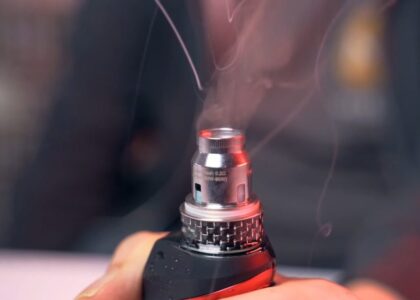
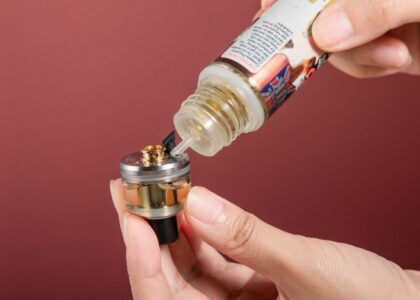
Refillable devices appeal to experienced users and those consuming delta 8 regularly. These systems let you purchase delta 8 distillate in bulk syringes and fill your own tank or pod, dramatically reducing cost per dose. The learning curve steepens here: you’ll need to understand coil replacement, temperature settings, and proper filling techniques to avoid leaks or burnt hits. Tank-style devices offer adjustable airflow and wattage for customized vapor production, while pod systems provide a middle ground between cartridges and full mod setups.
For absolute beginners, start with a quality disposable from a verified brand to understand delta 8’s effects before investing in hardware. Intermediate users ready to explore different strains should graduate to a reliable 510 battery and cartridges. Daily users who’ve established their preferred products and dosing will find refillable systems pay for themselves within weeks while offering maximum control over their experience.
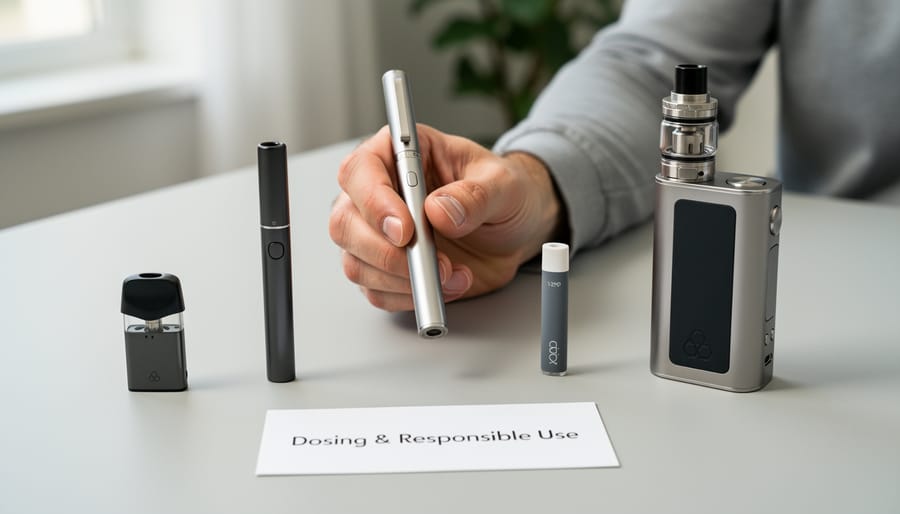
Shopping for delta 8 vape products requires a critical eye and a healthy dose of skepticism. The market is flooded with options, and not all manufacturers prioritize your safety or experience.
Start with third-party lab testing, it’s non-negotiable. Reputable brands publish certificates of analysis (COAs) that show exactly what’s in their products. These should be recent, match the batch number on your product, and come from an independent lab. Look for cannabinoid potency results that confirm the delta 8 content matches the label. Equally important, the COA should screen for residual solvents, heavy metals, pesticides, and microbial contaminants. If a company makes you hunt for lab results or doesn’t provide them at all, walk away.
Read labels carefully. They should list ingredients clearly, including the base liquid for vape oil (typically propylene glycol, vegetable glycerin, or MCT oil). Avoid products with mysterious “proprietary blends” or vague ingredient lists. The delta 8 concentration should be stated in milligrams, not just percentages, so you know exactly what you’re getting.
Brand reputation matters in a loosely regulated market. Look for companies with transparent manufacturing processes, responsive customer service, and positive community feedback. Check reviews across multiple platforms, not just the brand’s website. Be wary of suspiciously cheap products, quality extraction and testing cost money, and rock-bottom prices often signal corners being cut.
Watch for red flags: health claims that sound too good to be true, packaging that mimics popular brands, absence of contact information, or pressure tactics pushing you to buy immediately. Remember that marketing buzzwords like “pure,” “natural,” or “premium” mean nothing without lab results to back them up. Your safety depends on doing the homework before you purchase.
Yes, delta 8 THC will likely trigger a positive result on standard drug tests that screen for THC metabolites. Most drug tests cannot distinguish between delta 8 and delta 9 THC, so users subject to drug testing should avoid delta 8 products entirely.
Properly stored delta 8 vape cartridges typically maintain potency for 6-12 months after opening. Store them upright in a cool, dark place away from direct sunlight, and keep the device sealed when not in use to prevent oxidation and preserve flavor.
Federal legality doesn’t guarantee hassle-free travel. TSA follows federal law, but landing in a state where delta 8 is restricted could create legal problems. Check both departure and destination state laws before flying, and never travel internationally with delta 8 products.
Start with a single small puff and wait at least 15-30 minutes to assess effects before taking more. Have a comfortable, safe environment, stay hydrated, and avoid mixing with alcohol or other substances your first time.
Beyond these core concerns, users often wonder how delta 8 compares directly to delta 9 THC in terms of psychoactive intensity. Most people describe delta 8 as producing clearer-headed effects with less anxiety and paranoia than delta 9, though experiences vary significantly based on individual tolerance, product potency, and dosage. The difference isn’t just weaker effects but a qualitatively different experience that some find more functional for daytime activities.
If your delta 8 vape starts tasting burnt or harsh, it’s usually a sign the coil is degraded or the oil has thickened from storage issues. Don’t keep using a device that produces unpleasant vapor, as this can indicate heating element problems that might release unwanted compounds. With disposables, a burnt taste near the end often means the device is simply depleted. For cartridges, try gently warming the cart with your hands or storing it upright to help oil flow properly.
Clogging issues typically stem from oil viscosity changes in cold temperatures or from not using the device regularly. A quick fix involves taking a dry pull without activating the battery to clear the airway, or briefly warming the cartridge. Prevention works better than fixes: take occasional dry pulls between sessions and store devices at room temperature rather than in cold cars or pockets.
Hemp-derived delta 8 vaping represents an evolving space where personal choice meets responsibility. Your experience with these products hinges entirely on three foundational principles: staying educated, choosing quality over convenience, and prioritizing your wellbeing above all else.
The landscape will continue shifting. New regulations will emerge, research will provide clearer answers, and products will improve. Your role in this community means keeping pace with these changes rather than assuming today’s information remains valid indefinitely. Subscribe to reliable sources, verify product claims independently, and never hesitate to ask questions when something seems unclear.
Quality sourcing isn’t optional, it’s the single most critical factor separating a positive experience from a potentially harmful one. Those third-party lab reports matter. That extra research into manufacturer practices matters. The slightly higher price for verified purity matters. These aren’t minor details but fundamental protections for your health.
Approach delta 8 vaping with intention rather than impulse. Start conservatively, observe how your body responds, and adjust accordingly. Listen to experienced community members, but recognize that your physiology and tolerance are uniquely yours.
The hemp-derived cannabis space thrives when users make informed decisions and share knowledge openly. By holding yourself and manufacturers to high standards, you contribute to a safer, more transparent community for everyone exploring these products.


These days, finding a credible website on vaping can be difficult. Some sites recommend vaping products for the sake of sponsorships while others rely on generic information that won’t be useful in the long run. Without a credible website, how can users ensure that they are purchasing only the best products and using actual effective tips? Because of this, we have established VapeDynamics.com with the hope of providing handy, beneficial, and well-informed articles on all things related to vaping. Our priority with VapeDynamics.com is not the length or number of contents we put out but making sure that we are …